Living Near Yakima’s Fields and Orchards? Here’s What That Means for Pest Control at Your Home
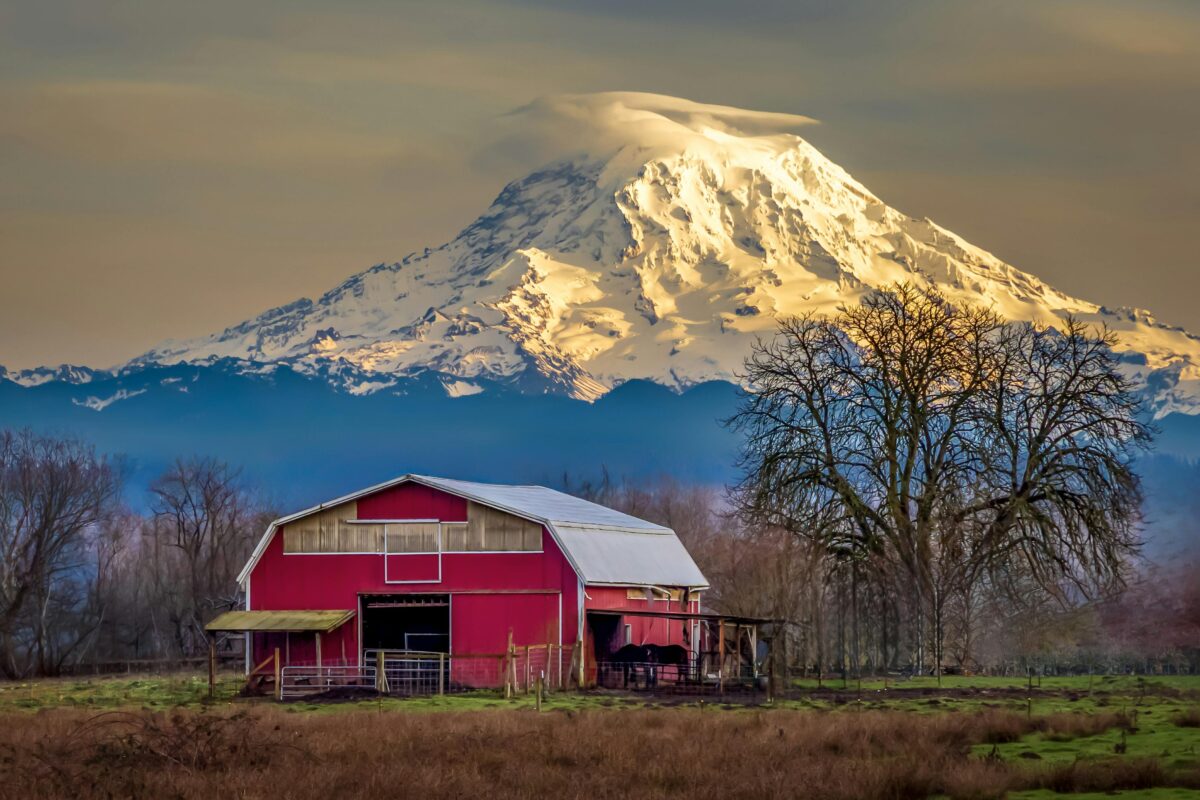
There’s a lot to love about living in Central Washington. Open space, agricultural view proximity to orchards and vineyards, and a connection to the land that’s hard to find in more densely developed areas. But if your home sits near farmland, irrigation canals, or working orchards anywhere in the Yakima Valley, there’s something worth understanding: your pest situation is fundamentally different from what homeowners in other parts of the state deal with.
This isn’t a scare tactic. It’s just geography – and knowing how it affects your home is the first step toward protecting it effectively. Here’s What That Means for Pest Control at Your Home.
Why Agriculture and Pest Pressure Go Hand in Hand
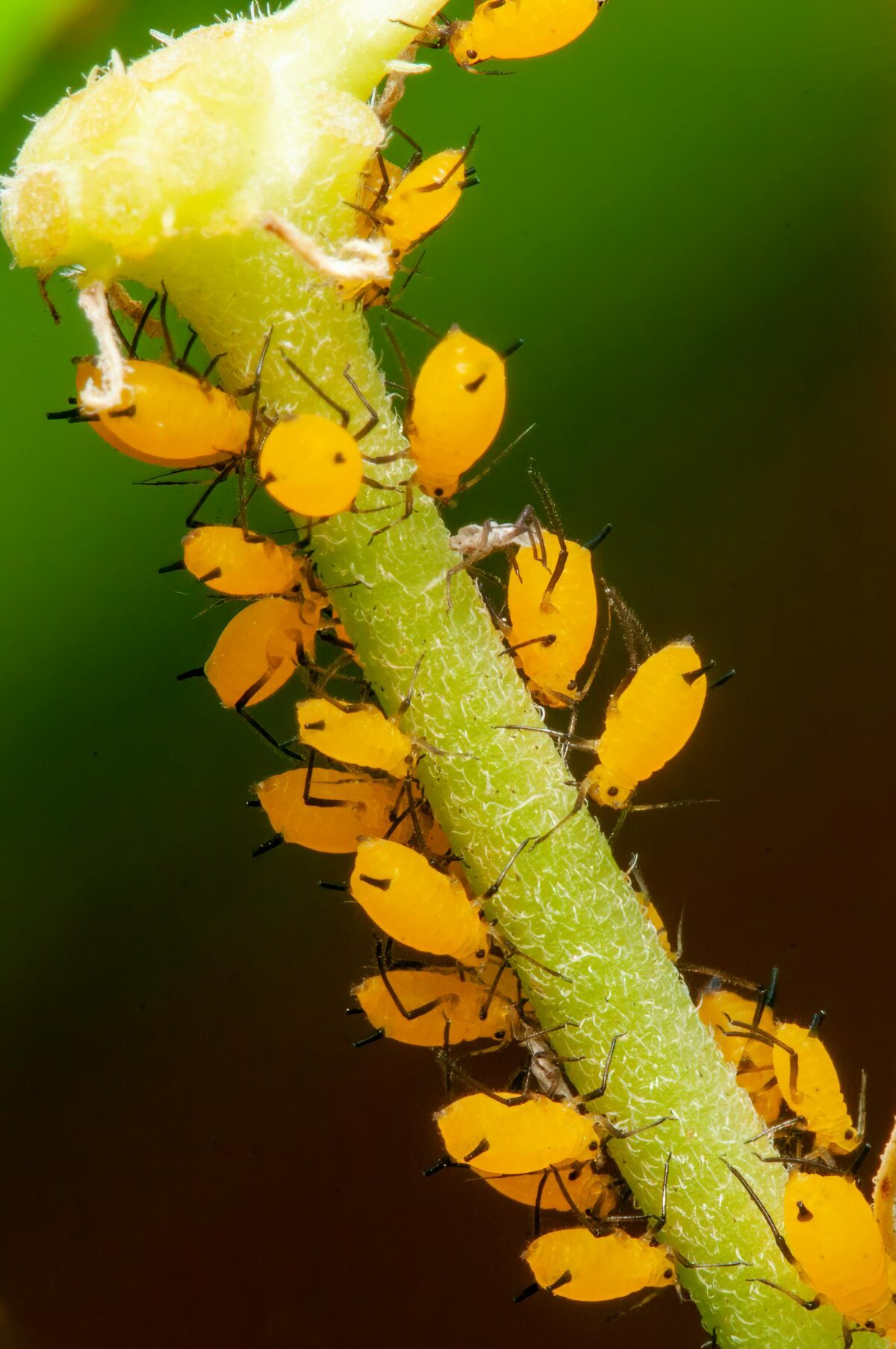
Farming creates ideal conditions for a wide range of pest species. Crops provide food. Irrigation creates moisture. Soil disturbance during planting and harvest disrupts nesting sites and pushes insects and rodents into motion. Organic matter in fields and orchards supports large, active insect populations throughout spring, summer, and fall.
That’s all perfectly natural in an agricultural setting. The challenge for homeowners is what happens when seasons shift, fields go fallow, or temperatures drop. When the outdoor environment becomes less hospitable, pests that have been thriving in surrounding agricultural land start looking for somewhere else to go – and residential properties near those fields are right in the path.
This is a well-documented pattern across the Yakima Valley. It’s one of the reasons that homes in rural and semi-rural areas of Central Washington often deal with more aggressive and more varied pest activity than their urban counterparts in the same region.
The Pests Most Likely to Make the Transition from Field to Home
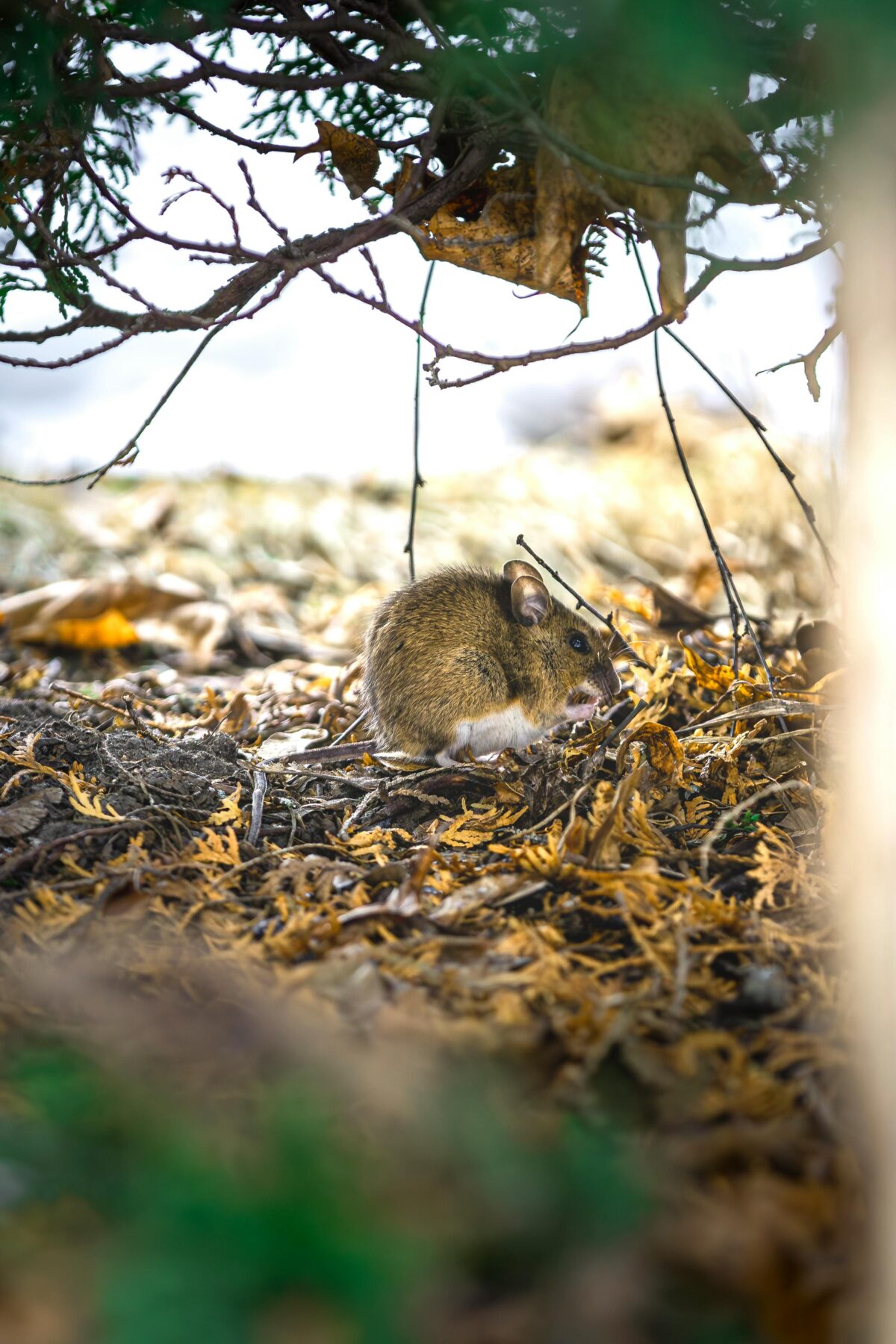
Mice and rats are the most significant concern for homes near agricultural areas. Field mice and deer mice are abundant in and around Yakima’s orchards and farms, and as crops are harvested and food sources in fields diminish in late summer and fall, these rodents begin actively searching for shelter. A home with small foundation gaps, a gap around a utility line, or aging siding provides exactly what they’re looking for: warmth, protection, and access to food.
Rodent pressure near agricultural land isn’t a one-time seasonal event. It can happen across multiple transition points in the farming calendar – after harvest, after the first hard frost, and again in early spring when outdoor conditions are still unstable. Ants near irrigation-fed agricultural land are often more persistent than those found in urban areas. Moisture from irrigation systems creates ideal nesting conditions in soil near foundations, and ant colonies near working farmland tend to be large and well-established.
Homeowners in areas like Moxee, Wapato, Granger, and Sunnyside frequently deal with ant pressure that resurfaces each season despite repeated attempts to control it without professional help. Spiders follow insects. As agricultural activity draws large insect populations to fields and orchards throughout summer, spider populations grow proportionally. When those insects begin moving toward residential structures in fall, spiders aren’t far behind. Hobo spiders and yellow sac spiders – both common in Central Washington – are often found in homes near orchards and fields in higher numbers than in urban settings.
Flies become a significant issue for properties near livestock operations, compost, or fields where organic material is present. House flies, blow flies, and cluster flies can become a persistent problem in homes that are otherwise well-maintained when outdoor conditions support large fly populations nearby.
Wasps and yellow jackets are especially active in orchard environments, where fallen and fermenting fruit provides a concentrated food source in late summer. Properties near apple, pear, and cherry orchards in the Yakima area often see elevated wasp activity from August through October as colonies reach peak size and food sources compete.
Why Standard Prevention Advice Often Falls Short for Rural Homeowners
General pest prevention guidance – seal your windows, keep a clean kitchen, don’t leave food out – is valid and worth following. But for homes near agricultural land in Central Washington, it addresses only part of the picture.
When you live adjacent to fields that support thousands of insects and rodents, the pressure on your home’s exterior is continuous and comes from multiple directions. A single sealed gap doesn’t account for the five others you haven’t found yet. A clean kitchen doesn’t stop a field mouse that’s already found a way in through the crawl space. Rural and semi-rural homeowners near Yakima’s agricultural areas generally benefit from a more comprehensive approach: regular exterior inspections that specifically assess foundation gaps and utility penetrations, perimeter treatments that create barriers against ground-level pest migration, and seasonal adjustments that account for the pest activity cycles tied to farming calendars in the area.
This is one of the reasons year-round pest control tends to deliver significantly better results for these properties than one-time or reactive treatments. The pest pressure doesn’t have a single peak – it shifts throughout the year in response to what’s happening in the surrounding agricultural environment.
What to Watch for on Your Property
If your home sits near fields, orchards, or irrigation infrastructure in the Yakima Valley, a
few things are worth monitoring regularly:
Foundation perimeter –
Look for new cracks, gaps around where utility lines enter the home, and any areas where soil has settled away from the foundation. These are common entry points for both rodents and insects migrating from agricultural areas.
Crawl space and basement –
These spaces are often the first point of entry for field mice and are frequently the site of spider activity. Moisture in these areas from irrigation runoff or poor drainage makes them even more attractive to pests.
Exterior vegetation and debris –
Woodpiles, dense shrubs, and leaf accumulation near the structure provide cover for pests moving from field to home. The less cover available between the agricultural area and your house, the harder that transition becomes for pests.
Garage and outbuildings –
Detached garages, storage sheds, and barns adjacent to agricultural land are often the first structures pests occupy before making their way to the main home. Checking these regularly gives you early warning.
Protecting Your Home in Central Washington’s Agricultural Landscape
Living near the orchards and farms that make the Yakima Valley what it is doesn’t mean
accepting a higher level of pest problems. It means being strategic about prevention.
Jerry’s Pest Service has spent over 20 years working with homeowners throughout
Central Washington – including those in and around Yakima, Selah, Moxee, Wapato,
Grandview, and Sunnyside – and we understand the specific pest pressures that come
with the region’s agricultural character.
Our residential pest control services cover over 60 pest types and are designed around your property’s specific vulnerabilities, not a generic treatment plan.
We offer free inspections with no commitment required. If you’re seeing increased pest
activity near your home, or if you’ve never had a professional assessment of your
property’s exposure, it’s worth a call.
(509) 594-7117 | jerryspestservice@gmail.com | Se habla español | jerryspestservice.com
Veteran-owned. Locally rooted. Central Washington’s pest control team for over 20 years.